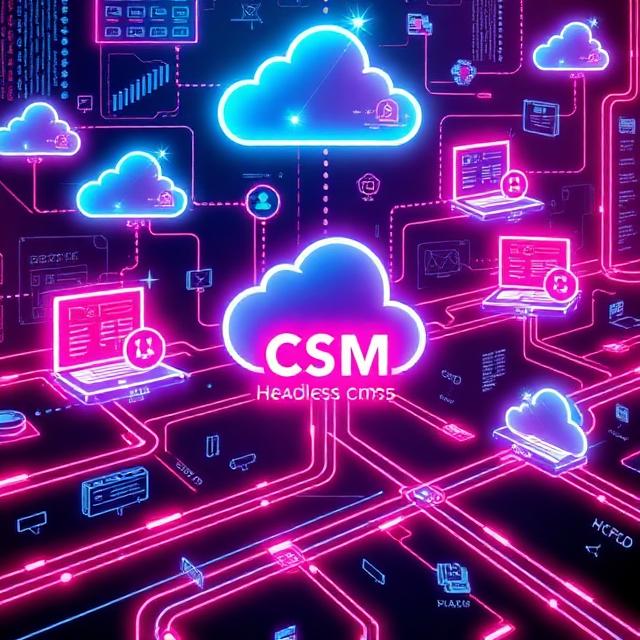
The Future of Software Development: How Cloud Computing is Revolutionizing Application Builders
Discover how cloud computing is changing the way applications are built, from increased scalability to improved collaboration.

The Future of Software Development: How Cloud Computing is Revolutionizing Application Builders
Cloud computing has been a game-changer for the software development industry, offering a range of benefits that are transforming the way applications are built. From increased scalability to improved collaboration, cloud computing is empowering developers to create more efficient, effective, and innovative applications.
In this article, we'll explore the impact of cloud computing on application development and discuss the key trends and technologies that are shaping the future of software development.
What is Cloud Computing?
Cloud computing is a model of delivering computing services over the internet, where resources such as servers, storage, databases, software, and applications are provided as a service to users on-demand. This allows developers to access a shared pool of resources, eliminating the need for physical infrastructure and reducing costs.
There are three main types of cloud computing: IaaS (Infrastructure as a Service), PaaS (Platform as a Service), and SaaS (Software as a Service). IaaS provides virtualized computing resources, PaaS offers a platform for developing, running, and managing applications, and SaaS delivers software applications over the internet.
The Benefits of Cloud Computing for Application Development
Cloud computing offers a range of benefits for application development, including:
- Increased scalability: Cloud computing allows developers to scale their applications quickly and easily, without the need for expensive hardware upgrades.
- Improved collaboration: Cloud-based development tools and platforms enable teams to collaborate more effectively, regardless of their location.
- Reduced costs: Cloud computing eliminates the need for physical infrastructure, reducing costs and improving resource utilization.
- Enhanced security: Cloud providers offer robust security features, including data encryption, firewalls, and access controls.
- Increased agility: Cloud computing enables developers to quickly deploy and test applications, improving time-to-market and reducing the risk of costly delays.
Key Trends and Technologies in Cloud Computing
Several key trends and technologies are shaping the future of cloud computing and application development, including:
- AI and Machine Learning: Cloud-based AI and machine learning platforms are enabling developers to create more intelligent and personalized applications.
- Serverless Computing: Serverless computing is a cloud-based model that eliminates the need for servers, reducing costs and improving scalability.
- Containerization: Containerization is a technology that enables developers to package and deploy applications in a standardized way, improving portability and efficiency.
- Edge Computing: Edge computing is a cloud-based model that enables applications to run closer to the user, reducing latency and improving performance.
Conclusion
Cloud computing is revolutionizing the way applications are built, offering a range of benefits that are transforming the software development industry. From increased scalability to improved collaboration, cloud computing is empowering developers to create more efficient, effective, and innovative applications. As we look to the future, it's clear that cloud computing will continue to play a major role in shaping the way we build and deploy software applications.
About the Author
The author is a seasoned software developer and cloud computing expert with over a decade of experience in the industry. They have worked with a range of cloud providers, including AWS, Azure, and Google Cloud, and have a deep understanding of the technologies and trends that are shaping the future of cloud computing.
What's Your Reaction?