Embracing the Future: Developers' Shift from Monoliths to Event-Driven PHP Architectures
Discover the benefits of adopting event-driven PHP architectures and how they can improve your application's scalability, flexibility, and maintainability.
The Rise of Event-Driven PHP Architectures
In recent years, software developers have witnessed a significant shift in architecture design, with many moving away from traditional monolithic architectures to event-driven systems. This change is driven by the need for greater scalability, flexibility, and maintainability in modern applications.
A monolithic architecture is a single, self-contained unit that performs all the functions of an application. This design pattern has been widely used in the past, but it has several drawbacks, including:
- Difficulty in scaling horizontally
- Tight coupling between components
- Reduced flexibility in updating individual components
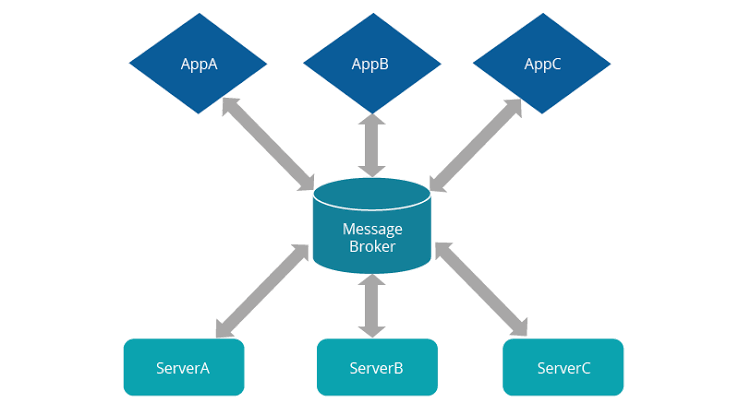
On the other hand, event-driven architectures are designed to handle events as they occur, rather than following a centralized control flow. This approach enables developers to build more scalable, flexible, and maintainable systems. In an event-driven architecture, components communicate with each other through events, which are triggered in response to specific actions or conditions.
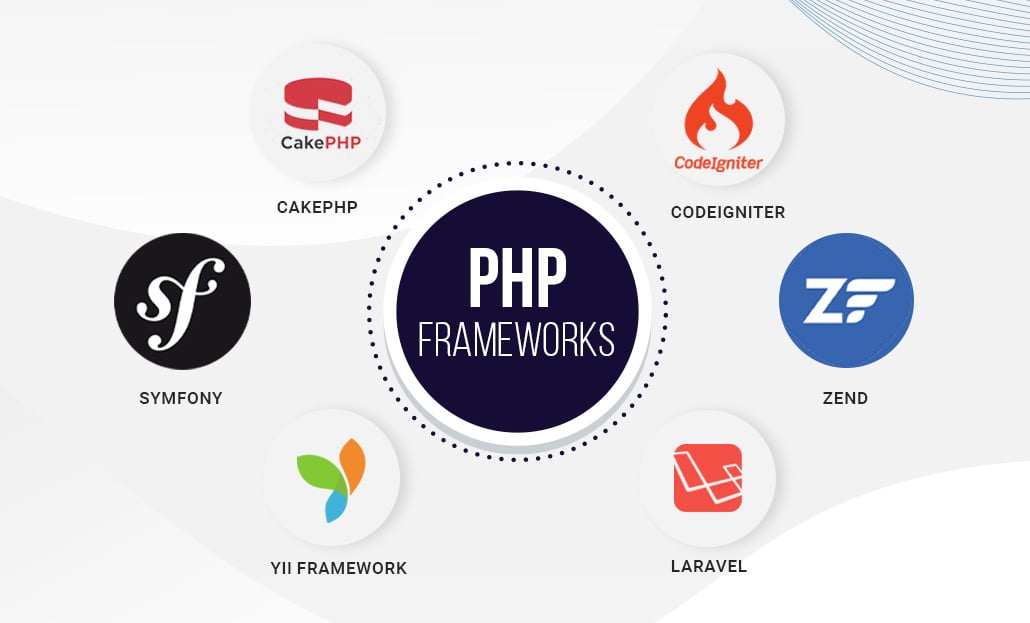
PHP, as a popular web development language, has seen a significant increase in adoption of event-driven architectures. The language's flexibility and extensibility make it an ideal choice for building event-driven systems. In this article, we'll explore the benefits of adopting event-driven PHP architectures and provide guidance on how to implement them in your own projects.
Benefits of Event-Driven Architectures
Event-driven architectures offer several benefits, including:
- Scalability**: Event-driven systems can scale horizontally, handling increased loads and traffic with ease.
- Flexibility**: Components in event-driven architectures can be easily updated or replaced without affecting the entire system.
- Maintainability**: Event-driven systems are more maintainable, as components can be modified or replaced individually.
Additionally, event-driven architectures enable developers to build more modular and loosely coupled systems, which are easier to test and debug.
Implementing Event-Driven Architectures in PHP
Implementing event-driven architectures in PHP is made easier by the language's built-in support for event-driven programming. Here are some best practices to keep in mind:
- Use a message queue**: A message queue is a crucial component in event-driven architectures. It helps to decouple components and enables them to communicate with each other asynchronously.
- Implement event listeners**: Event listeners are responsible for handling events triggered by other components. They can be implemented using PHP's built-in event handling mechanisms or third-party libraries.
- Use a pub/sub pattern**: The pub/sub pattern is a common design pattern in event-driven architectures. It enables components to publish events and subscribe to them without knowing about each other's existence.
In conclusion, event-driven PHP architectures offer several benefits, including scalability, flexibility, and maintainability. By adopting this design pattern, developers can build more efficient, modular, and maintainable systems. With PHP's built-in support for event-driven programming, it's easier than ever to implement event-driven architectures in your PHP projects.
What's Your Reaction?