How AI Is Revolutionizing Frontend Development in 2026
Discover how AI is transforming frontend development in 2026, from automating repetitive tasks to enhancing user experiences. Learn about the latest AI tools and trends shaping the future of web development.
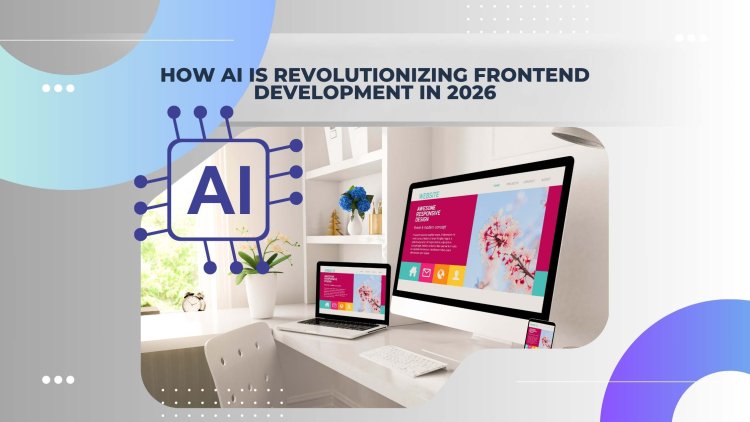
How AI Is Revolutionizing Frontend Development in 2026
Frontend development has always been a dynamic field, but the integration of artificial intelligence (AI) is taking it to unprecedented heights. In 2026, AI is no longer just a buzzword—it’s a powerful tool reshaping how developers design, code, and optimize user interfaces. Let’s explore the key ways AI is transforming frontend development and what it means for the future of web design.
1. Automating Repetitive Tasks
One of the most significant impacts of AI in frontend development is its ability to automate repetitive tasks. Tools like AI-powered code generators and auto-completion systems are now capable of writing boilerplate code, reducing the time developers spend on mundane tasks. For example, AI can automatically generate responsive layouts, optimize CSS, and even suggest improvements to existing code. This allows developers to focus on more creative and complex aspects of their projects.
2. Enhancing User Experience with AI-Driven Design
AI is also playing a crucial role in improving user experiences. By analyzing user behavior and preferences, AI can help developers create personalized interfaces tailored to individual users. For instance, AI algorithms can dynamically adjust layouts, colors, and content based on user data, ensuring a more engaging and intuitive experience. Additionally, AI-powered chatbots and virtual assistants are becoming more sophisticated, providing real-time support and enhancing user interactions.
3. Streamlining Debugging and Testing
Debugging and testing are essential yet time-consuming aspects of frontend development. AI is making these processes more efficient by identifying potential issues before they become problems. AI-driven testing tools can simulate user interactions, detect bugs, and even suggest fixes. This not only speeds up the development cycle but also ensures higher-quality, error-free code.
4. AI-Powered Design Tools
AI is also revolutionizing the design process itself. Tools like AI-powered wireframing and prototyping platforms enable developers to create mockups and prototypes in minutes. These tools use machine learning to suggest design elements, layouts, and color schemes based on industry trends and user preferences. This accelerates the design phase and ensures that the final product is both visually appealing and functional.
5. The Future of AI in Frontend Development
As AI continues to evolve, its role in frontend development will only grow. We can expect more advanced AI tools that integrate seamlessly with development workflows, offering real-time suggestions and optimizations. Additionally, AI will likely play a larger role in accessibility, ensuring that websites are usable by everyone, including individuals with disabilities. The future of frontend development is undoubtedly AI-driven, and developers who embrace these technologies will be at the forefront of the industry.
In conclusion, AI is revolutionizing frontend development in 2026 by automating tasks, enhancing user experiences, streamlining debugging, and empowering designers with intelligent tools. As these technologies continue to advance, they will redefine how we build and interact with the web, making it more efficient, personalized, and accessible than ever before.
What's Your Reaction?