Unlocking Faster API Development: A Guide to Prompt Engineering for Backend Developers
Discover how prompt engineering can help backend developers turn API documentation into working code faster and improve their overall development workflow.
Prompt Engineering for Backend Developers: Turning API Docs into Working Code Faster
Prompt engineering is a rapidly growing field that combines natural language processing (NLP) and software development to create more efficient workflows for developers. For backend developers, one of the most significant benefits of prompt engineering is its ability to transform API documentation into working code. In this article, we'll explore the concept of prompt engineering, its application in backend development, and provide a step-by-step guide on how to leverage this technique to improve your development workflow.
API documentation is a critical component of software development, providing a detailed description of APIs, their endpoints, and the expected responses. However, manually implementing these APIs can be time-consuming and error-prone. Prompt engineering offers a solution by enabling developers to create high-quality, working code directly from API documentation.
To get started with prompt engineering, you'll need to have a basic understanding of NLP and software development. Familiarity with popular NLP libraries such as NLTK, spaCy, or Stanford CoreNLP is also essential. Next, you'll need to choose a prompt engineering tool that fits your needs. Some popular options include LLaMA, Google's LaMDA, and Microsoft's Turing-NLG.
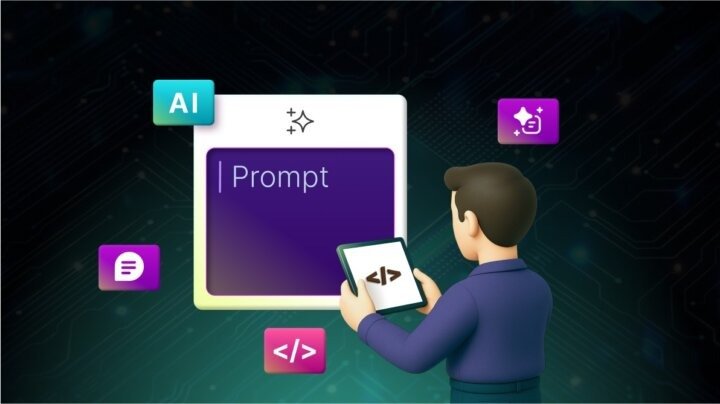
Once you've selected a tool, you'll need to create a prompt that accurately describes the API you want to implement. This prompt should include essential details such as the API endpoint, HTTP method, request and response bodies, and any relevant headers or query parameters. The quality of your prompt directly impacts the accuracy of the generated code.
With your prompt in place, you can now use your chosen tool to generate working code. This code will be tailored to the specific API you're implementing, taking into account any nuances or edge cases. The generated code can then be integrated into your project, reducing development time and minimizing the risk of human error.
The benefits of prompt engineering in backend development are numerous. Not only does it accelerate the development process, but it also improves code quality and reduces the burden of manually implementing APIs. By leveraging this technique, developers can focus on higher-level tasks such as feature development, testing, and debugging.
However, prompt engineering is not without its limitations. One of the primary concerns is the accuracy of the generated code. While prompt engineering tools have made significant strides in recent years, they are not yet perfect. Developers should always review the generated code to ensure it meets their requirements and does not introduce any unexpected issues.
Another challenge facing prompt engineering is the need for high-quality prompts. The quality of the generated code is directly tied to the quality of the prompt. Developers must invest time and effort into crafting accurate and detailed prompts that capture the nuances of the API they're implementing.
In conclusion, prompt engineering offers a game-changing solution for backend developers looking to speed up their API development workflow. By leveraging this technique, developers can turn API documentation into working code faster, reducing development time and improving code quality. While there are limitations to prompt engineering, the benefits far outweigh the drawbacks. With the right tools and a solid understanding of NLP, developers can unlock the full potential of prompt engineering and take their development workflow to the next level.
What's Your Reaction?