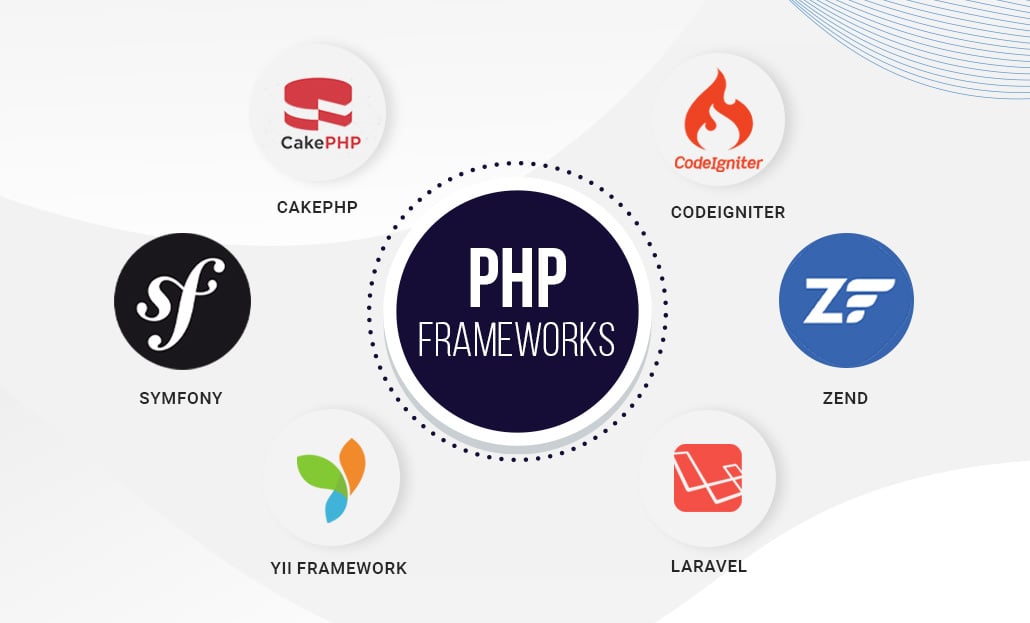
The Rise of AI-Powered Low-Code Platforms: A Threat to Open-Source PHP Frameworks?
Discover how AI-powered low-code platforms are disrupting the PHP ecosystem and putting pressure on open-source PHP frameworks.
The Rise of AI-Powered Low-Code Platforms: A Threat to Open-Source PHP Frameworks?
Open-source PHP frameworks have long been the backbone of web development, providing developers with a robust and customizable platform for building applications. However, the rise of AI-powered low-code platforms is putting pressure on these frameworks, forcing developers to rethink their approach to development.
Low-code platforms are designed to make development faster and more accessible by providing a visual interface for building applications. These platforms use artificial intelligence to automate many of the tasks involved in development, such as code generation and testing. This has made it possible for non-technical users to build applications without needing to write code, which has led to a significant increase in adoption.
The impact of low-code platforms on open-source PHP frameworks is multifaceted. On the one hand, these platforms are increasing the demand for skilled developers, as more complex applications are being built using these platforms. On the other hand, they are also making it easier for non-technical users to build applications, which is putting pressure on the open-source PHP frameworks.
One of the key advantages of open-source PHP frameworks is their customizability. Developers can modify the code to suit their needs, which makes them ideal for complex applications. However, low-code platforms are making it possible for non-technical users to build complex applications without needing to write code, which is making it harder for open-source PHP frameworks to compete.
Another advantage of open-source PHP frameworks is their community support. Developers can contribute to the community, which makes it easier for them to get help and support. However, low-code platforms are making it possible for non-technical users to build applications without needing to rely on the community, which is reducing the demand for open-source PHP frameworks.
Despite the challenges posed by low-code platforms, open-source PHP frameworks are not going away anytime soon. These frameworks have a loyal following and are still widely used in many industries. However, they need to adapt to the changing landscape of development and provide more value to developers in order to stay relevant.
One way for open-source PHP frameworks to adapt is by incorporating AI-powered development tools into their platforms. This would allow developers to take advantage of the benefits of low-code platforms while still providing the customizability and community support that open-source PHP frameworks are known for.
Another way for open-source PHP frameworks to adapt is by providing more training and resources to developers. This would help developers to stay up-to-date with the latest technologies and best practices, which would make them more competitive in the market.
Finally, open-source PHP frameworks need to focus on providing more value to developers in the form of better documentation, more extensive libraries, and more comprehensive testing tools. This would make it easier for developers to build applications and would make open-source PHP frameworks more attractive to developers.
In conclusion, the rise of AI-powered low-code platforms is putting pressure on open-source PHP frameworks. However, these frameworks are not going away anytime soon and can adapt to the changing landscape of development by incorporating AI-powered development tools, providing more training and resources to developers, and focusing on providing more value to developers.
What's Your Reaction?